
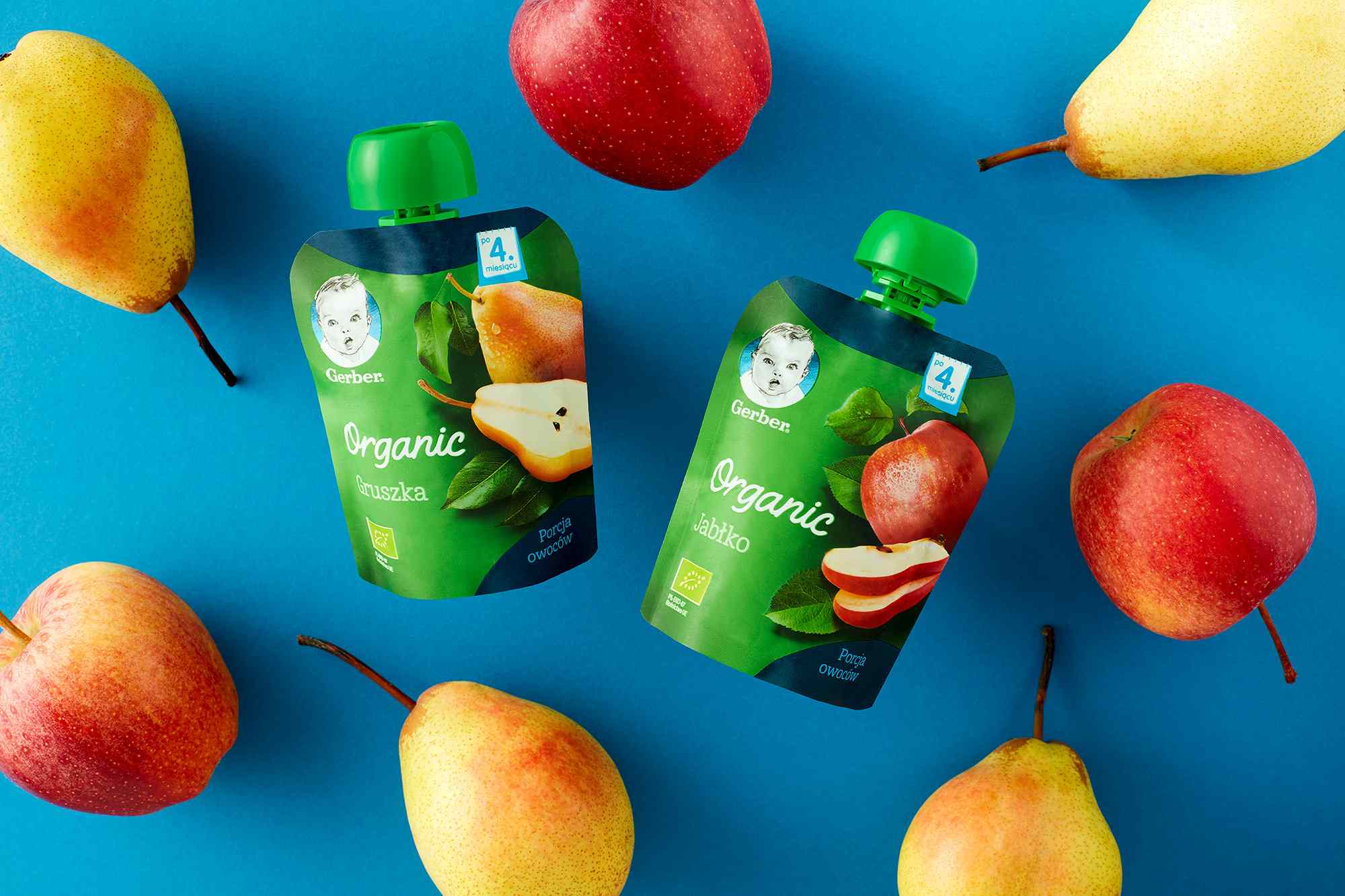
Nestlé celebrated the opening of the Nestlé Gerber Nutripuff factory in Shuangcheng, Harbin with a grand opening ceremony. The event marks the first official production of Gerber Nutripuff in China, which is an important milestone in the continuous localization of Gerber, a leading international brand of baby nutrition under Nestlé.
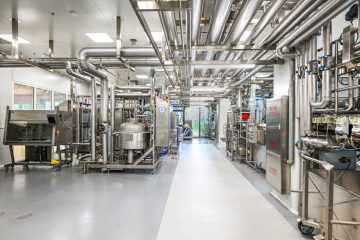
Production line with fully automated canning and packaging solutions
The total investment of the brand new Gerber Nutripuff factory is approximately RMB 100 million. Equipped with high-tech automatic equipment, including fully automated canning and packaging lines imported from the UK, USA and Switzerland, the production line has an annual production capacity of about 1,400 tons. The factory follows the US Green Building Council (LEED) Gold Standard.
Rashid Qureshi, Chairman and CEO of Nestlé Greater China, said: “In the 1980s, Shuangcheng was Nestlé’s first location to invest in China. It occupies a special place in my mind. We’ve witnessed Nestlé’s development for more than 30 years here, creating shared value for all stakeholders. This new factory represents Nestlé’s latest investment in Shuangcheng and demonstrates Nestlé’s great confidence and firm commitment to the Chinese market. I am honored to witness Nestlé’s milestone in Shuangcheng together with everyone. Nestlé and Shuangcheng have written a positive story of sincere cooperation, and we have every reason to continue such success.”
Can and flexible packaging for organic and non organic puss products are 100% recyclable
Gerber is a baby nutrition brand under Nestlé. It is well-known for its infant supplement food, with many sub-categories including infant cereals, fruit and vegetable puree and puffs that are very popular among Chinese babies.
The puff products to be produced in China are the star products of Gerber, including organic and non-organic puff products, with a total of 8 flavors. Cans and flexible packaging are 100% recyclable, reflecting Nestlé’s strong commitment to sustainability.
It is worth mentioning that the raw rice used by Gerber Nutripuff also comes from Songnen Plain in Heilongjiang Province, an area with abundant sunshine and significant temperature difference between day and night.
The Akitakomati rice watered by Nenjiang River
The rice – Akitakomati rice – is watered by Nenjiang River, organically grown, and certified by the state. From seed selection, sowing, field management, harvesting, drying and storage to processing, a dedicated agricultural team provides technical guidance and supervision to ensure safety and traceability. The rice is sent to the Gerber factory for processing within 24 hours after hulling to ensure the rice retains its nutritious value.
Binu Jacob, senior vice president of Infant Nutrition Business Unit for Nestlé Greater China, said: “Nestlé has been committed to providing Chinese consumers with nutritious, healthy and safe products to help people live healthier. This time, in the construction of Gerber Nutripuff factory in Shuangcheng, we hope to provide nutritious and quality-assured supplement food to help Chinese babies to meet their growing needs at different stages. We also believe that Nestlé’s technical advantages and industrial advantages of Shuangcheng will create greater economic and social benefits, promote the development and upgrading of Shuangcheng agriculture and food industry, and promote a win-win for local economic and social development.”
Promoted the sustainable development of local agriculture and farming communities
Nestlé’s first factory in China, established in Shuangcheng, produces milk powder, cereals, and infant formula. Built in 1987 at the beginning of China’s reform and opening-up, the milk factory signaled the start of Nestlé’s journey in China. For more than 30 years, Nestlé has promoted the sustainable development of local agriculture and farming communities in Shuangcheng through “company + farmers”. Nestlé has been providing various training and technical assistance to dairy farmers in Shuangcheng.
The Dairy Farming Institute to support the modernization of China’s dairy farming industry
To support and promote the transformation and modernization of China’s dairy farming industry, in 2014, Nestlé invested in the construction of a Dairy Farming Institute (hereinafter referred to as DFI) in Shuangcheng.
To date, DFI has conducted more than 280 training sessions to educate more than 10,000 students, including dairy farmers, technicians, and college students in related fields.
Nestlé’s investment and cooperation in Shuangcheng has realized the corporate philosophy of Creating Shared Value and, through cooperation with various research institutions, has provided more development opportunities for society and effectively promoted large-scale benefits and sustainable development with local farming and animal husbandry. In the future, whether it is out of the purpose of localized production or honoring Nestlé’s philosophy of Creating Shared Value, Nestlé will continue to root in Shuangcheng and China, and grow together with Chinese consumers.