

Efficiency increased, costs reduced with the industrial conveyors
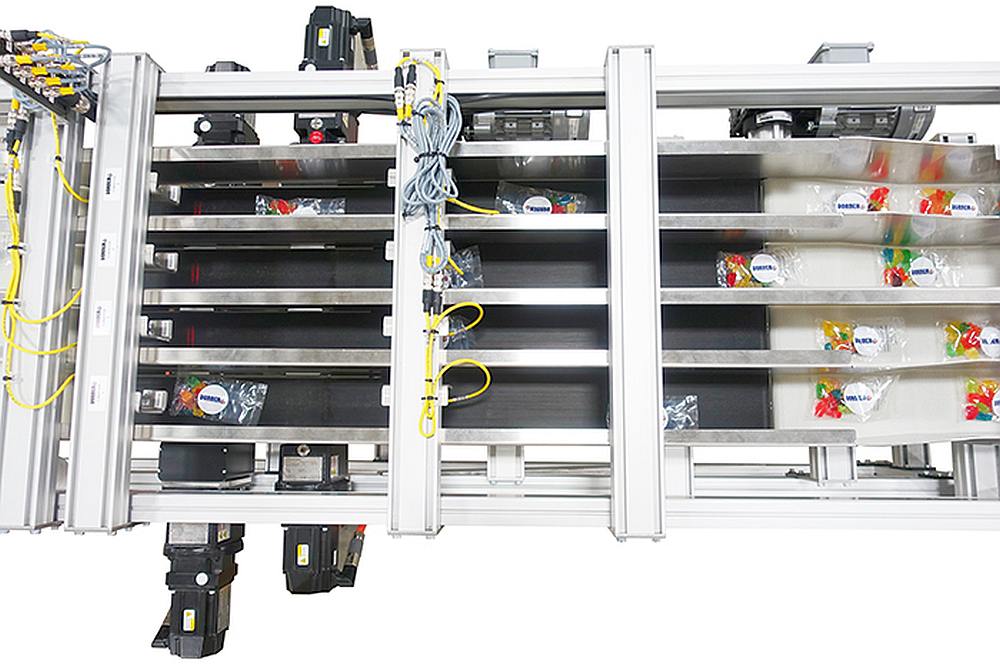
Conveyor systems will improve efficiency, boost accuracy and cut costs. They will also increase workplaces’ safety by reducing the need for lift trucks and other potentially dangerous equipment.
Often more standard than automation conveyors, industrial conveyors are behind every stage of the manufacturing process, from production and assembly to inspection and packing. They normally come in two varieties:
- fabric belted;
- modular belted.
These conveyors help increase efficiency, reduce costs and keep all operations running smoothly. Automation conveyors are a type of conveyor that offers even more precision, especially when moving pallets or larger products. They are typically involved in more automated solutions. Conveyor automation can also be integrated with robots, equipment and workers.
Different types of industrial and automation conveyors
The fabric and modular belt conveyors

The modular and fabric belt conveyors by Dorner are easily customized to achieve specific designs and assemblies. They are used to transport items in conveyor configurations such as straight, curves, and LPZ (Z-Frame). The company also has a wide range of belting and guiding options to help to find the conveyor that you need.
The flexible chain conveyors
FlexMove Conveyors are available as completed conveyor systems for fast and simple, installation, or as parts for flexibility in design. The Dorner’s FlexMove line is ideal for simplex configurations, long runs, multiple curves and inclines and declines. They also offer a variety of options with unique features, such as flexible chain with cleats, rollers, friction pads, steel top, anti-static and fabric belts.
The pallet systems
Dorner’s pallet system conveyors simplify product flow and control with features such as a unique pin tracking system, industry compatible pallet sizes and innovative modules.
Their 2200 Series Precision Move Pallet System conveyor and their FlexMove Pallet Systems are advanced in pallet traffic management and are specifically designed to increase efficiency, reduce downtime in automation processes, and provide accurate conveying.