

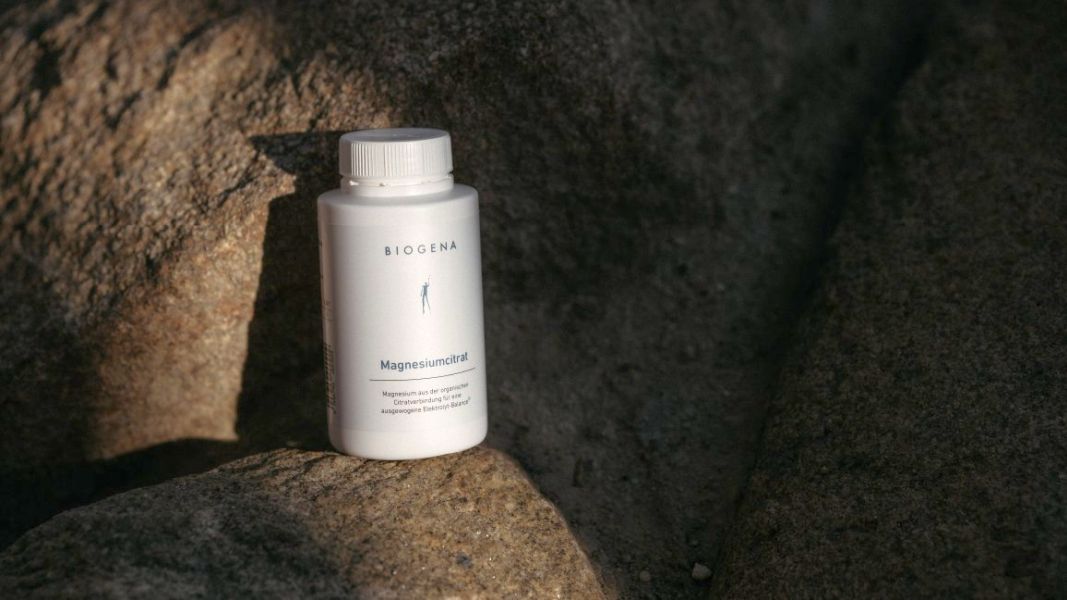
A bio-based plastic eco-can supports climate protection by lowering the packaging’s carbon footprint, while still delivering the functionality required for everyday use and a modern appearance. This combination makes it possible to save hundreds of tonnes of CO₂ every year without compromising packaging performance.

When sustainability takes shape
Sustainability starts with the material. For Austrian micronutrient specialist BIOGENA, it was clear that the new packaging should not only be recyclable, but also actively contribute to CO₂ reduction. Together with ALPLA, this resulted in the eco-can – an innovative packaging solution made from bio-based polyethylene (bio-PE), obtained from the residual materials of sugar cane processing.
Instead of producing new raw materials, the process uses the parts of the plant that are already produced during sugar production. These are fermented into bioethanol and then processed into bio-PE, a high-quality plastic that replaces fossil-based materials.
“We wanted packaging that not only looks good, but also has a measurable positive impact on the climate and the environment,” explains Caroline Mayr, Head of Quality Management at BIOGENA. “In ALPLA, we have found a partner who shares our vision of responsible packaging technology.”
Innovation from waste materials
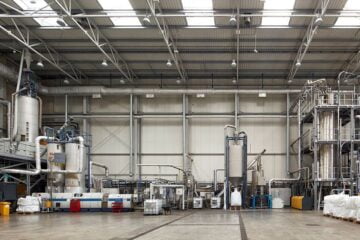
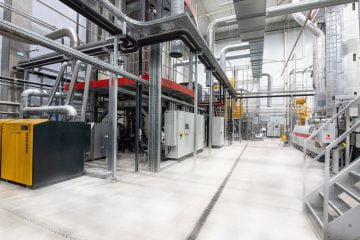
At ALPLA’s production facility in Fußach, Austria, the bio-based material is turned into a can that is lightweight, robust and fully recyclable in the HDPE stream. The design was developed in collaboration with BIOGENA with a focus on user-friendliness, product protection and a modern appearance.
The ecological benefits are measurable: the eco-can saves around 274 tonnes of CO₂ annually – equivalent to approximately 1.9 million kilometres driven by car or a forest area the size of 30 football pitches, which would have to grow for a year to bind the same amount of CO₂.
“The example of bio-PE from sugar cane residues shows that plastic offers excellent recycling solutions in the packaging sector when it is considered in a circular economy,” emphasises Dr Karl Hagspiel, Senior Circular Economy Expert at ALPLA. “We are combining material innovation with recyclability and proving that sustainable packaging is not at odds with quality.”
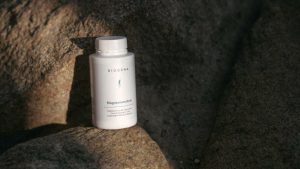
Working together for the circular economy
The eco-can is a prime example of the path that ALPLA and BIOGENA are taking together: from idea to impact. In addition to the choice of materials, aspects such as transport efficiency, protection from light, moisture and oxygen, and an optimised closure design played a central role.
The result is packaging that combines ecological responsibility and functional requirements and represents what is possible when brands and manufacturers work together in partnership.
“The eco-can shows that sustainable packaging can be marketable, efficient and attractive,” summarises Mayr. And Hagspiel adds: “Rethinking packaging means taking responsibility – together, transparently and with an eye to the future.”